
This post may contain affiliate links. As an amazon associate, I earn from qualifying purchases.
From the very beginning of my career in the bakery business, I understood the impact of fondant. It would transform a cute cake into an extraordinary piece of art.
Is fondant difficult to work with?
The answer is no, nor does it have to be. With a little bit of practice, you can create beautiful pieces of art in just a few minutes. Yes, some characters will be more difficult than others and take more time. For these, you simply charge more for your labor. Below are some examples of characters when I first started to now with more practice:
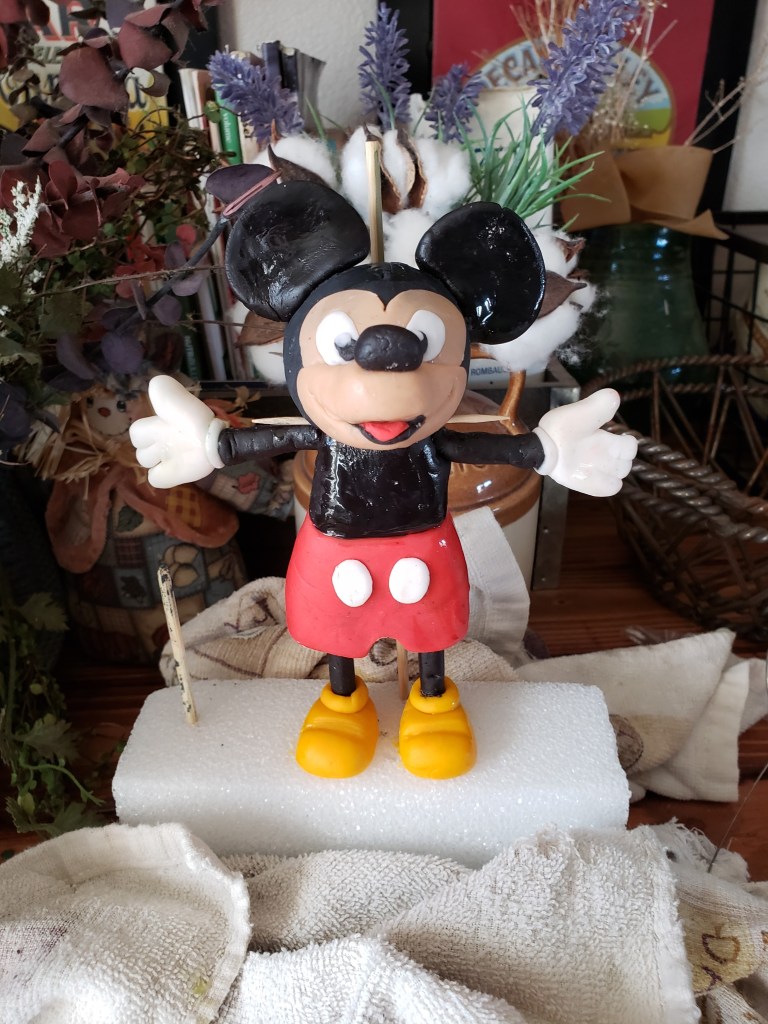
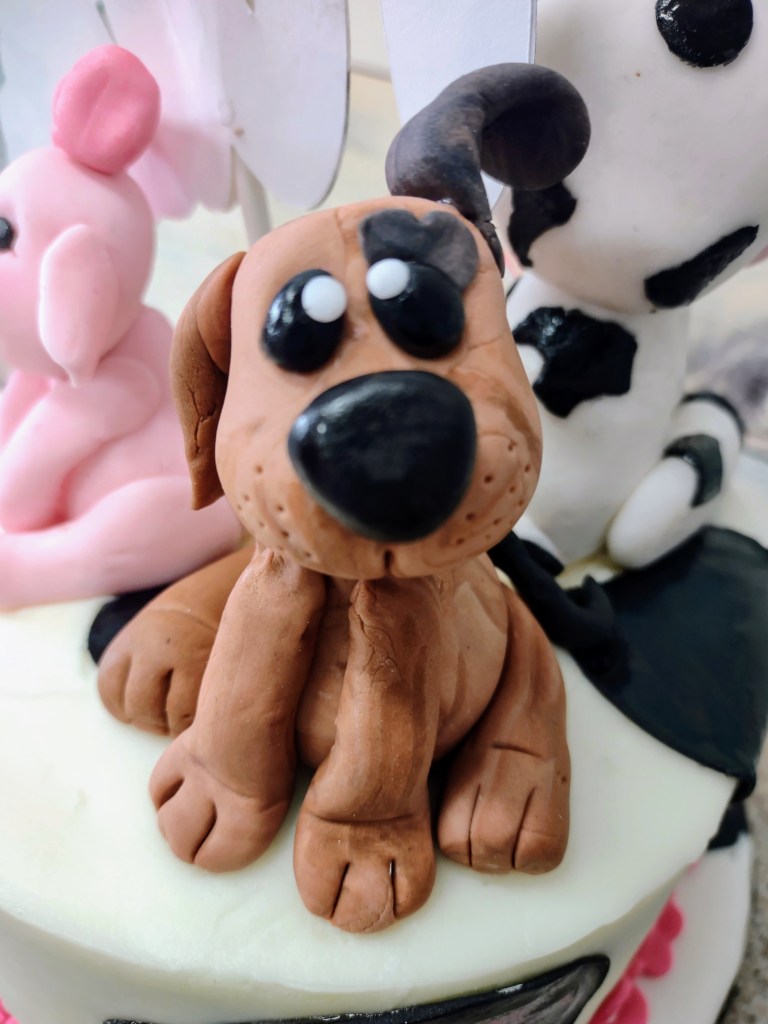
Below are my first sad attempts in creating fondant figurines:
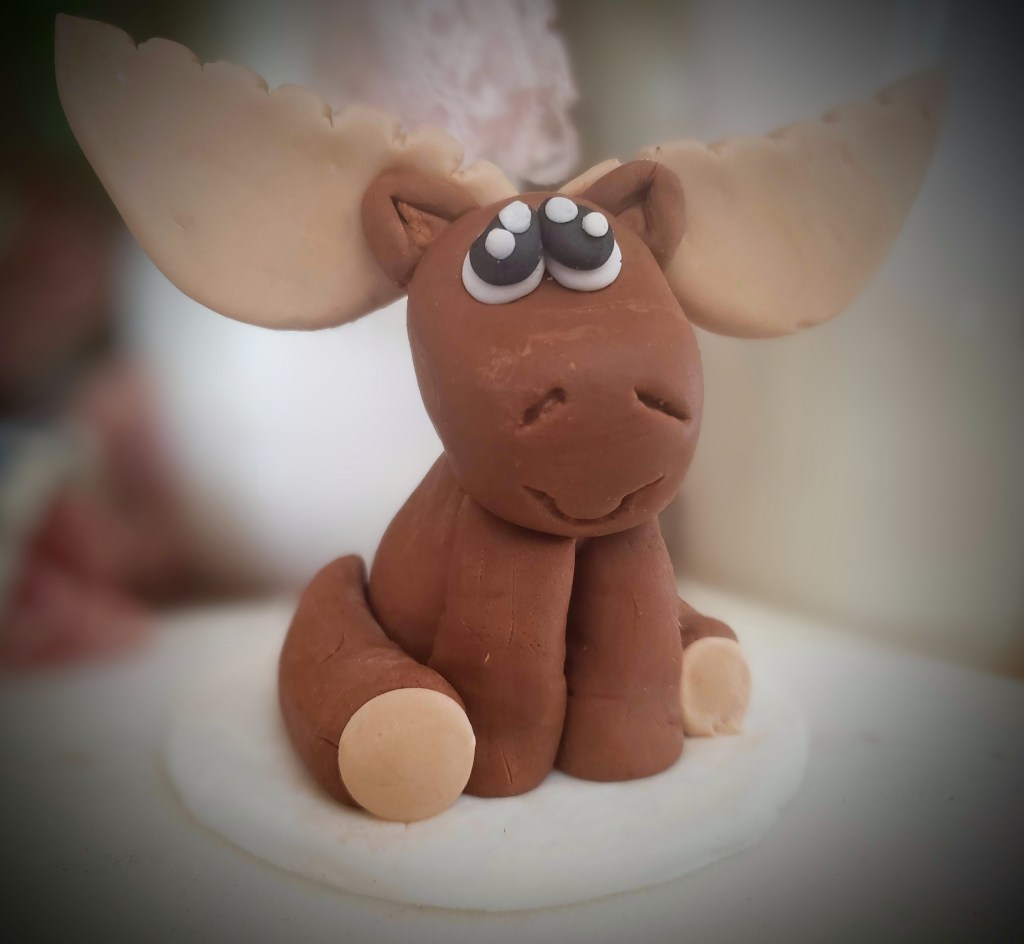
Below, figurines now with more knowledge and practice:
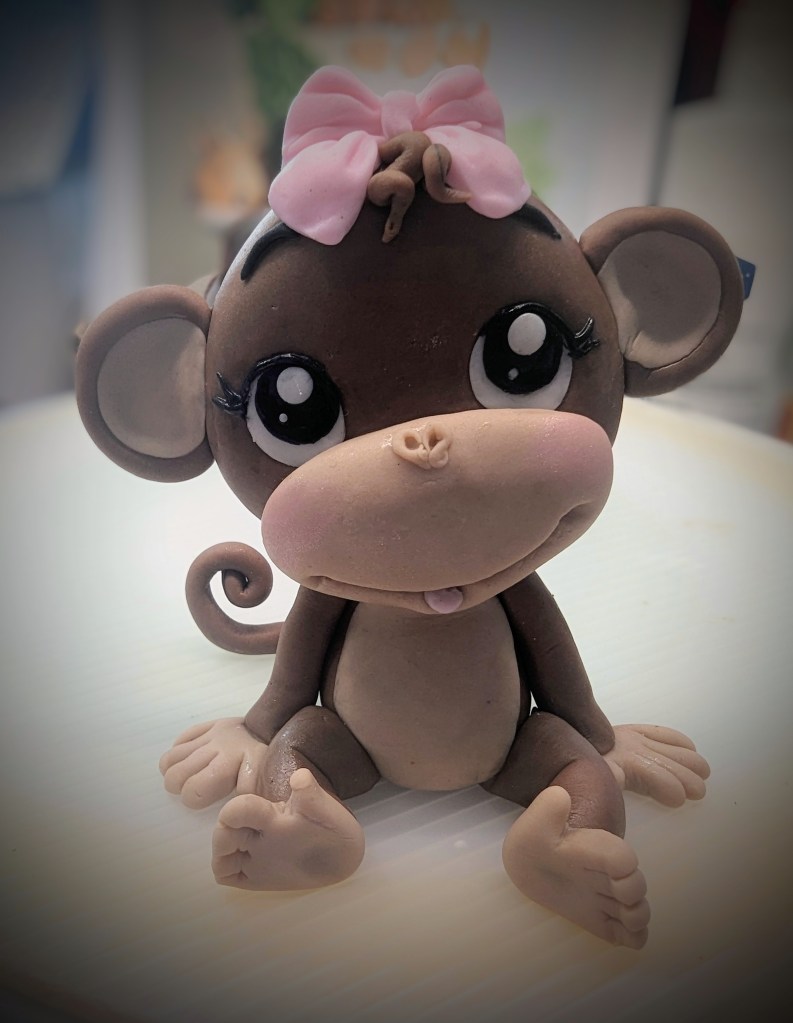
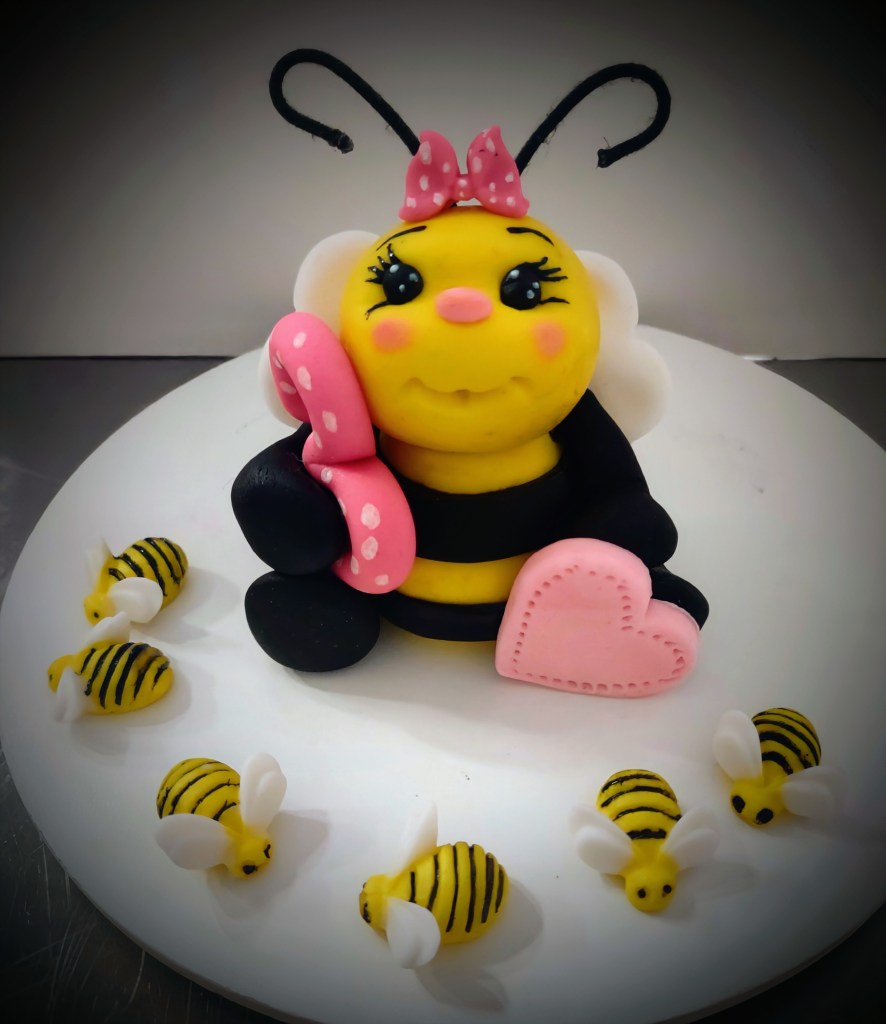
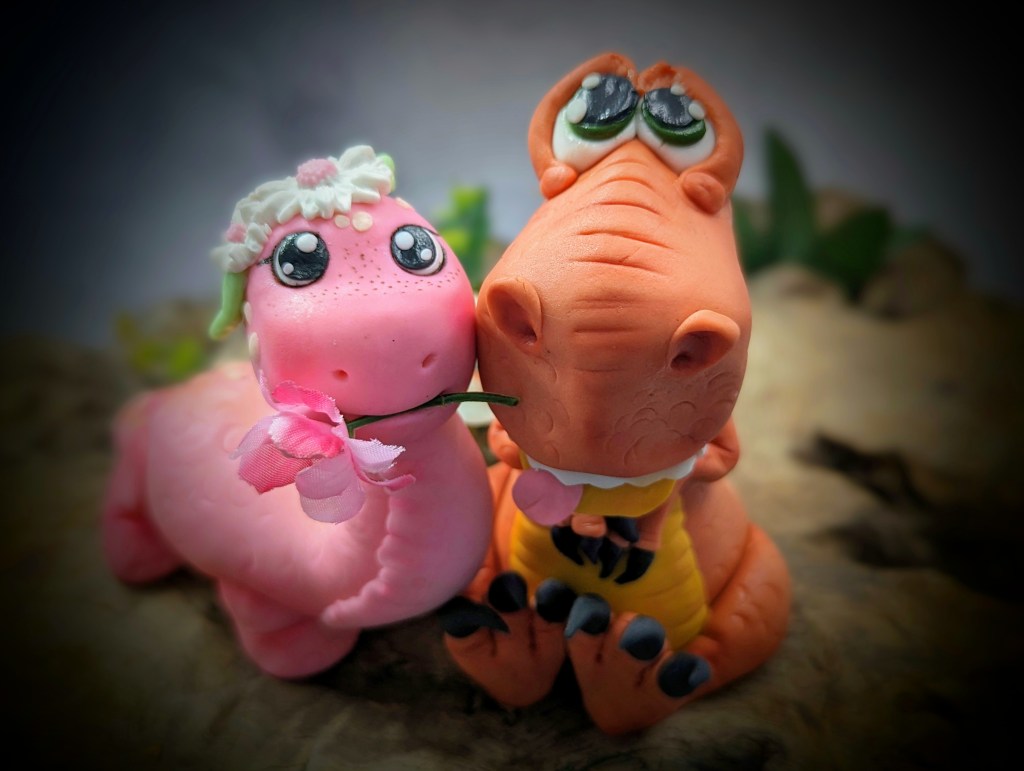
You can clearly see the difference from then to now.
I’m most certainly not one who gives up easily. Perhaps from being a perfectionist or maybe because I’m stubborn. Either way, my continued attempts has paid off. Out of one 1.2lb package of fondant, you can create many different characters. Making fondant relatively inexpensive. I also save any leftover fondant in sealed bags. Then store in an airtight container to use for future projects. This helps eliminate waste. Storing fondant properly can help it last for months and even up to a year.
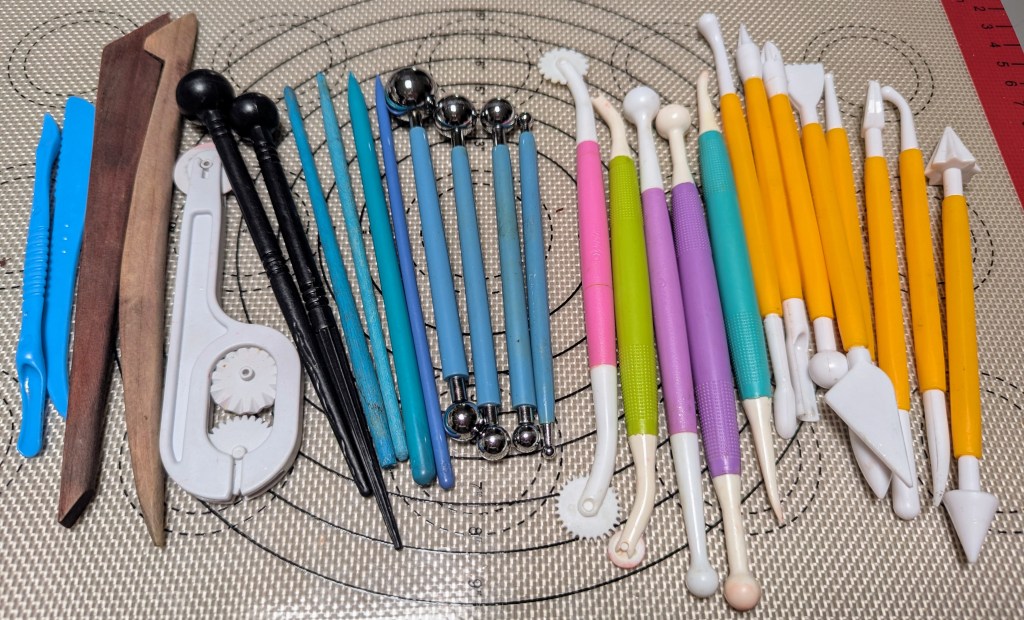
What are the tools needed to create fondant characters?
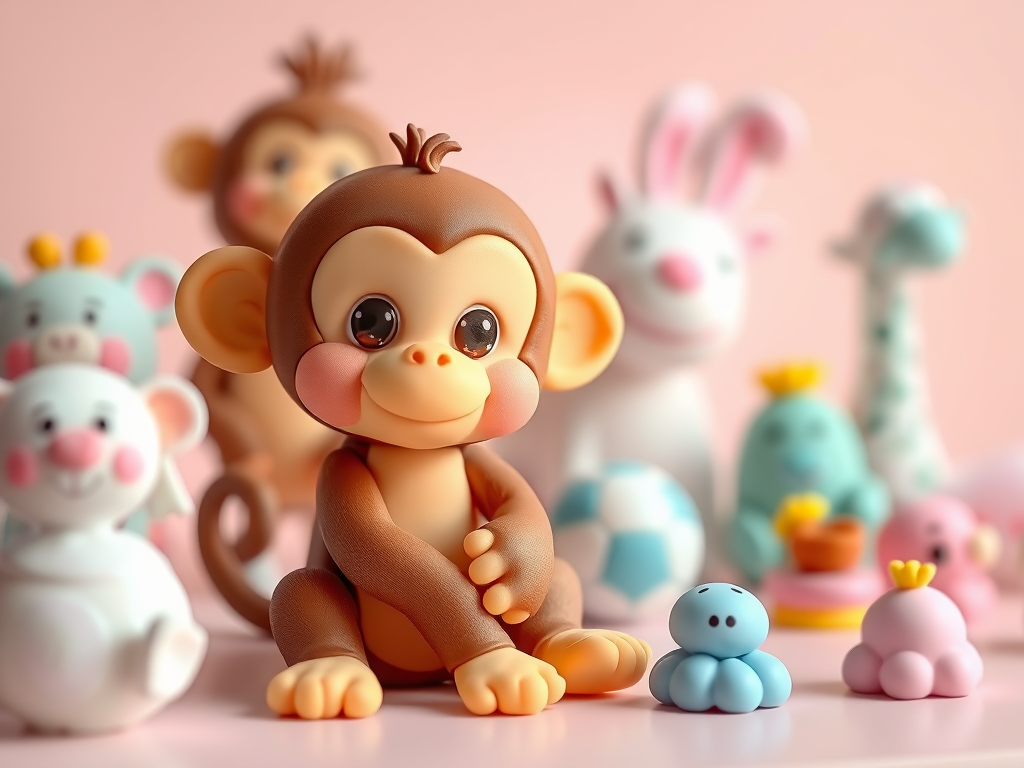
- The first thing you need is an inspiration picture. What I do is research “free cute baby monkey clip art”, for example. Make sure the image you pick doesn’t infringe on copyrights, however. This is why I look for free images that can be used for personal use. If I can’t find the right image, then I will go to Etsy and purchase a digital download. Most of the time, they’re only a couple of dollars and can be reused again and again.
- Fondant tools like the ones above are my go-to. You can use these for a wide variety of ways to add depth and fine details to fondant.
- Dried spaghetti noodles or toothpicks to help support figurines.
- Fondant. I use Wilton preferred. I find it to be the easiest to work with and the most versatile. I’ve tried other brands but they fell short. Wilton fondant is consistent, versatile, reliable and affordable. And it tastes good!
- Tylose powder. Tylose, or also known as CMC powder, is a thickener for foods and a must have stabilizer for fondant. It also helps the fondant dry quickly. It’s important to keep unused fondant in a zip lock bag until ready to use. Without tylose, your fondant creations will start to lose shape and not dry properly. I’ve learned this the hard way. Not pretty.
- Food coloring. I recommend Americolor and Chefmaster gel food coloring. These are the two brands I use when coloring fondant and modeling chocolate. Both brands are highly concentrated, won’t add excess moisture to fondant. They also have a wide variety of colors to chose from. Starting with smaller kits like those mentioned above gives you a chance to play around with different colors. Without a huge commitment or investment.
- Cornstarch. Cornstarch helps keep your fondant from sticking to molds or your hands. Use lightly so you don’t dry our your fondant. Too much will ruin the flexibility and cause your fondant to crack. Not pretty, either.
- Powdered sugar. When adding gel food coloring to fondant, it becomes sticky. Dusting your work surface with powdered sugar and kneading into the fondant fixes that. Fondant contains powdered sugar so by adding a little more into it, doesn’t change the taste or texture.
- digital scale. Although a scale isn’t absolutely necessary, it takes the guess work out of portion sizes.
Should I wear gloves when working with fondant?
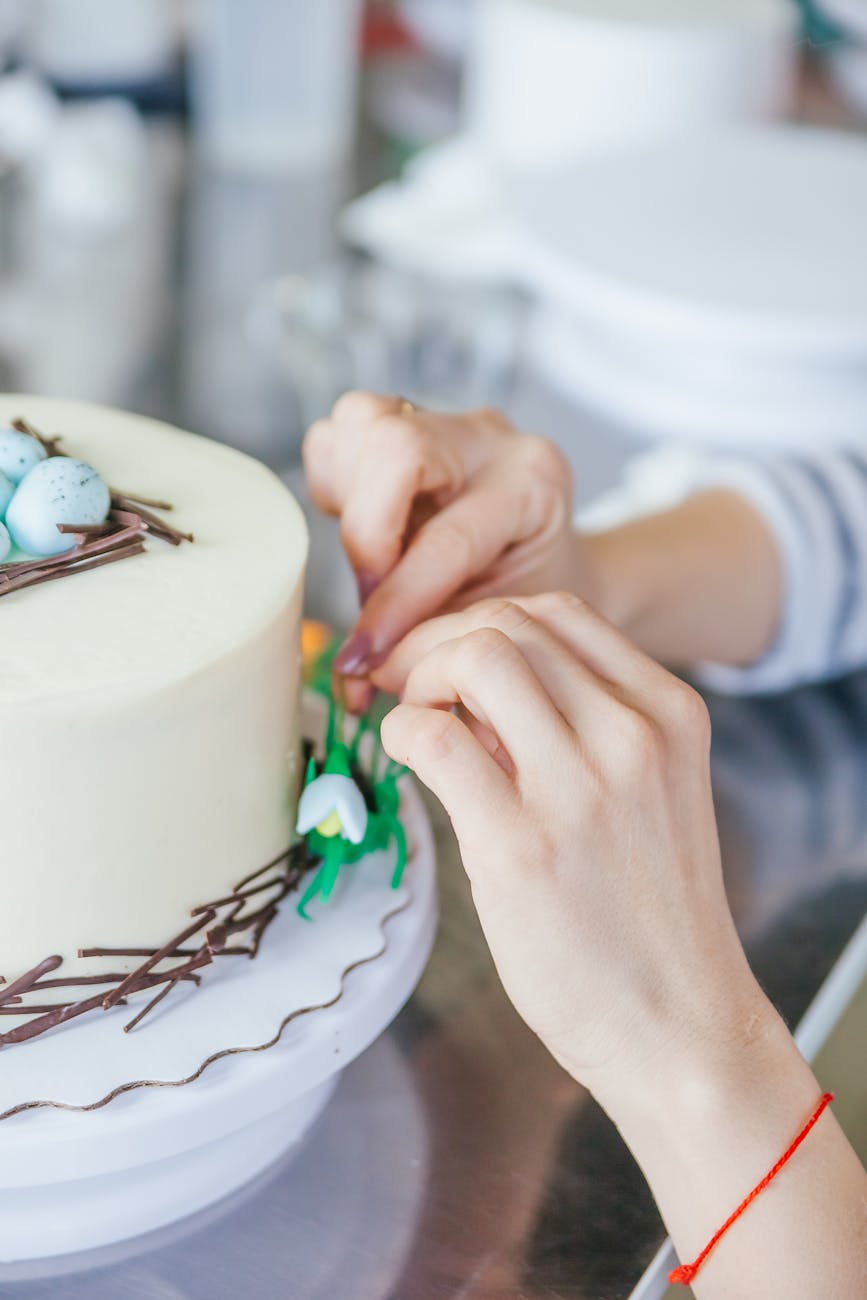
I don’t and I’ll tell you why. I know a lot of cake artists are wearing gloves when you watch teaching videos. But when working with fondant, gloves really get in the way. Fondant constantly sticks to the gloves making it difficult to shape. Dusting your work surface and hands with powdered sugar helps for a minute but then you’ll need to add more. Now what happens is your fondant gets too dry and your characters will crack and be difficult to work with.
The heat from your hands actually helps keep the fondant pliable and smooth and helps prevent sticking. Wash your hands for 20 seconds with antibacterial soap before ever touching anything that goes on your cake. Get in the habit of not touching your face. Cover your nose and mouth with the inside of your arm your when sneezing or coughing. I walk away from my work area as well and wash my hands again anyway as an extra precaution. Practice all recommended guidelines when washing your hands and surfaces for food prep. Always!
I don’t use hand sanitizer because I don’t want those chemicals mixing with what I’m working with. The alcohol evaporates but there are other chemicals that are left behind.
Make this a practice. Before you know it, you become consciously aware of what your hands are touching at all times. Here’s an article that you may find interesting on the subject.
https://www.initial.com/blog/hand-hygiene/gloves-vs-no-gloves-the-transmission-of-pathogens
Tips for adding fondant characters as cake toppers
Larger figurines are hard to support, like my Mickey Mouse above. I had to insert a dowel through the base of the cake to prevent sinking. As well as additional support to attach the arms and head. I didn’t know a rice krispie treat recipe could be sculpted then used as a lighter base at the time. Now, when a larger character is needed, that medium is my go to. Once sculpted, I let dry overnight to get hard. Once its dry, i use this zester to smooth out any lumps and bumps from the rice krispies. I then cover it in modeling chocolate and not fondant. Modeling chocolate doesn’t dry as quickly as fondant. Allowing it to be manipulate it more easily. Like the cow’s head and bass pictured below. But, I’ll dive into that on future posts.
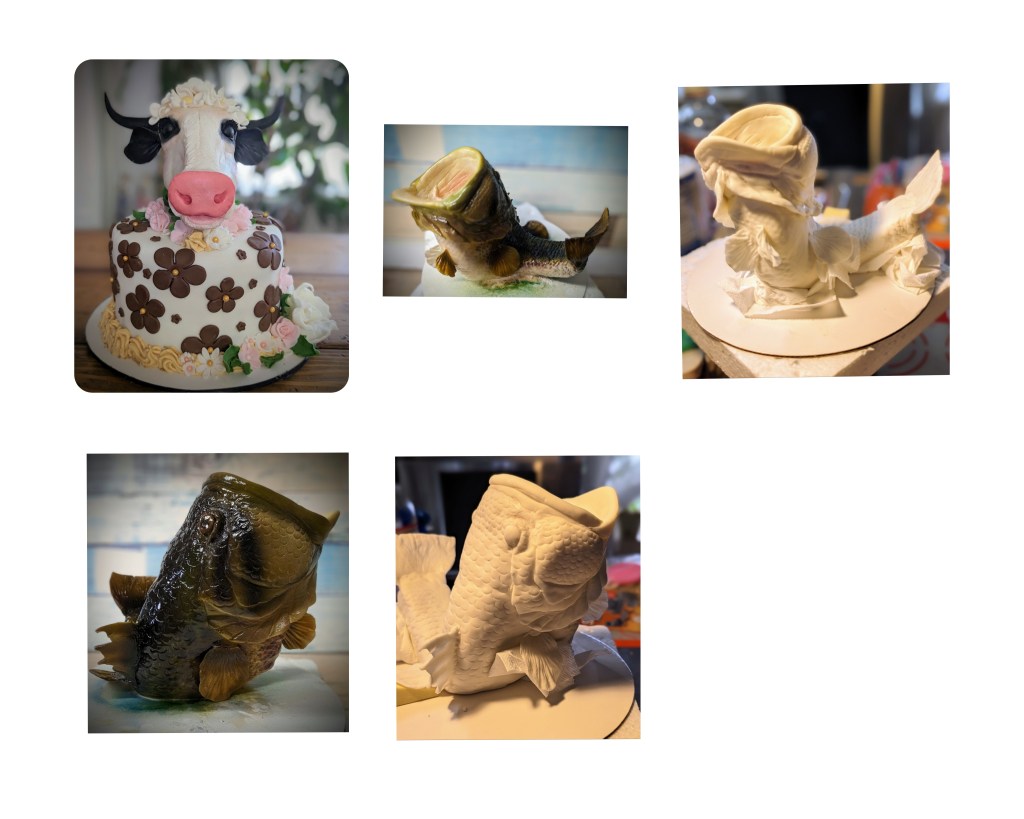
The cow head in the top left corner was sculpted using rice krispie treats then covered in modeling chocolate. Luster dust, airbrush and hand painted details are also added. The bass fish shows the before and after adding airbrush.
Keep your characters smaller and add accents, if needed, using silicon molds, fondant cutters or edible prints. This will also cut down on the level of difficulty and time needed to create the finished design. The picture below shows an example of using all three.
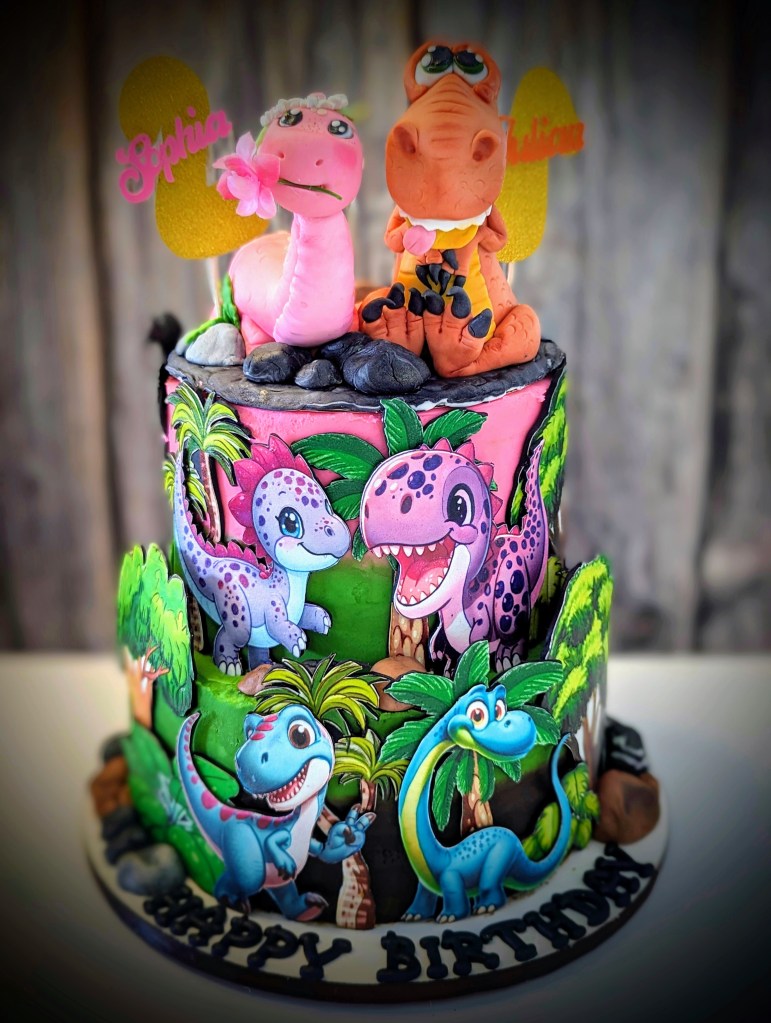
Even though each dinosaur didn’t weigh a lot by themselves. I used a cake plate covered in fondant and cake dowels underneath to help support the weight of everything combined. I then cut the numbers out using my Cricut machine. This is a great example of how fondant can help you stand out above your competitors.
What are some other ways to use fondant?
Other ways to use fondant to make it stand out is to use it as a accents pieces. Lettering molds and fondant or cookie cutters are easy and creative ways to add beautiful details. Rolling fondant almost paper thin can be used for draping. Silicon molds for borders on cakes adds visual interest and a professional touch.
You can also use fondant to cover cakes as a backdrop for hand painted details. Using textured or impression mats draped over the entire cake or a portion of the cake adds sophistication. The ones available are virtually limitless.
FAQS
Is fondant hard to use?
The answer is no, although it does take a little practice.
Why does my fondant figurine have cracks?
There’s a couple of reasons why fondant will develop cracks. It has been exposed to air for too long before the final shape was finished. Adding too much tylose, powdered sugar or cornstarch will also dry it out.
How do i fix fondant that’s too dry?
Add small amounts of a quality shortening and knead into your fondant if it feels too dry. This will add moisture and improve the pliability of your fondant.
Does fondant taste terrible?
Fondant has a sweet, mild and slightly chalky taste. Some clients prefer buttercream instead. Try using fondant as an accent design option. Or, try making your own marshmallow fondant for draping over cakes.
Can I use homemade fondant for characters?
It’s much harder to achieve the stiff texture needed for figurines without drying out homemade fondant. Ready-made fondant is better for making figurines.
Isn’t fondant expensive?
No, especially when limiting it’s use to adding characters or accent pieces over buttercream.
To sum things up:
Cake artistry uses various materials to make beautiful cakes. Learning to work with fondant can enhance your baking business. With some creativity and basic tools, you can create stunning art pieces. I encourage you to try fondant and find your niche in the industry.
Please leave a reply using the form below with any questions you may have or ideas on future blogs. I would also love to see your fondant creations!
As always, please give me a thumbs up and support this post by sharing and subscribing!
Subscribe to my page to get latest content by email. Members only will receive exclusive access to tutorials and latest recipes so don’t miss out! Sign up today.





Leave a Reply