by Sher Jenkins July 9th 2025
This post may contain affiliate links. As an amazon associate, I earn from qualifying purchases.
see my privacy policy
You love baking and are thinking of taking it to the next level. Perhaps you’re already doing specialty items for family and friends and they keep telling you to make it a business. If that’s the case, great! You’ve got yourself a support system already in place. You haven’t started yet because the process seems overwhelming or complicated. It doesn’t have to be and really it takes very little to get going. Below are some necessary steps that you need to get started. What is a cottage bakery you ask? It’s an individual who is licensed through their state health department to sell approved baked items from home.

1. What type of license(s) do I need?
The very first step you have to take is to find out what licensing is required for your state. In some states, it also boils down to the county that you’re living in. I’m big on research so when I decided to take the plunge, I went straight to the internet. “How to become a cottage baker in Nevada”. That search led me to my local health department. It was there that I discovered that Nevada goes by county. So if i wanted to sell product in a neighboring county, I’d have to get a license there as well. Different counties may have different fees. In my county, here was a small fee that had to be paid and I had to submit my recipes for approval. That was it! Not every state is the same so it’s important to do your research here. In KY, i didn’t have to submit any recipes but there still was a fee to pay. Cottage licensing can vary from one year or more so ask your health department about their policies. Next, I needed to know if a business license was required. In the state of Nevada, or at least my county, it wasn’t. I do recommend you call your local county and government offices to find out more.
When you apply for a cottage license, the following information will available to you.
- where can you sell your items
- what ingredients are allowed and which ones aren’t
- labeling requirements
- income limits
- are classes or a quick course required
- am I allowed to ship items
being a legally licensed bakery helps you to:
- stand out above your competitors
- ensures the client that you are adhering to local and state laws
- grow into a long-term sustainable business
- makes your business trustworthy and professional
Important: Make sure you adhere to all regulations and policies. The last thing you would want is to be shut down before you really get started. Those regulations and policies are there for a reason and should be taken seriously. Your local health department will go over all the requirements with you.
2. How to chose a name for your business
This is not as easy as it may sound. I’ll give you an example if you promise not to laugh. When i first got started back in 2017, I came up with “glue sticks and coffee”. Seemed catchy enough because I was going to do crafts. And, I love coffee. But it had nothing to do with the baking at all!
I struggled for three years trying to get it off the ground. I started a website that a friend set it up for free. Lucky! I had a Facebook page and the whole nine yards. Yet, it went no where. After about a year, I dropped the craft side and continued on with the baking side. Why in the world would I do both anyway? Especially under one name. I’m still wondering about that myself, btw. Baking is really what I wanted to pursue so I started out on the wrong foot. Don’t do what I did, Instead, know what you want to pursue and stick with it.
I finally came to the realization that my business name wasn’t working when I joined my local farmer’s market. I can’t tell you how many times I had to explain how I came up with that name to the public. It was exhausting and embarrassing. The look on people’s faces when they still didn’t get it! I started searching for business names for bakeries on the internet. I found hundreds of countless names, but I hated everything! They were cute and clever but just didn’t represent me personally. Plus, they sounded too common and too generic. Then a site came up that talked about how to come up with a name that’s catchy and rememberable. The best advice I got was to use a three word business name. Especially using the same first letter in each word, to catch their attention. That is how, “Sher’s Sugar Shack” was born. I then checked online for anyone who may have that name in my area. Fortunately, no one did so all I needed to do was change my Facebook page and contact the health department. Easy peasy.
The next year, I joined the farmer’s market again but with the new name. I’m not exaggerating when i say that my business literally exploded! My name went from, “why do you call it..?” to “That is such a cute name! I love it!” It’s easy to remember, has my first name and represents what I do.
Ask yourself, what do I really like doing? Breads, cakes, cookies? Or maybe it’s a combination of items. As long as they fall under the guidelines of the health department, “you do you.” Once you have that figured out, start playing with different names that represent those items. My niche are cakes, cupcakes, cake pops/cakecycles and decorated cookies. Why, then, would I chose a name like Sher’s baked goods, for example. It’s too vague and too generic for me personally. Plus, “baked goods” could include an excessive amount of items that I don’t do . All the items I specialize in are sweet and I work from home. Sher’s Sugar Shack. I love saying that name! Short, simple, catchy, rememberable. Take your time with this step and really give it some thought. Ask friends and family to help you brainstorm if needed. Just remember, the final choice is your choice! Not your family and friends. This is your business so make it what you want; a name that you’re proud of. Not one that you’re not embarrassed about (eh-em).
3. Do I need insurance?
You now have your license(s) and your name now its time to look into insurance. Insurance isn’t necessarily required but make sure you check with your local offices. Think about this for a moment. Say you go out to eat and you get sick. You need to go see a doctor or worse, go to the hospital. Only to find out that the entity serving the food doesn’t have insurance. You pay out of pocket and are probably pretty angry. Maybe you want to sue as a result. Say you were the entity serving the food and someone got sick. And now you’re the entity that’s being sued. Operating a cottage bakery leaves you vulnerable to risks and liabilities that most standard homeowner’s or renter’s insurance policies won’t cover.
- Someone could slip and fall when picking up their order. Or have an allergic reaction to a product (even from an unlabeled allergen). This is why thoroughly labeling your products is so important. Without proper insurance you could be liable for medical expensed, legal fees, and potential settlements as a result.
- Many farmer’s markets, events, and commercial kitchens require vendors to have proof of liability insurance in order to participate. This is to protect them from liability if an incident were to occur involving your product.
- Protection of your business assets. A specialized policy can cover your equipment, supplies, and finished product in case of damage, theft or loss.
There are several policies to chose from. Pick which one works for you and make sure it includes the coverage that you need. I needed to have insurance in Nevada for events and markets and their requirement was a million dollar policy. It was $250 for the whole year and it covered my equipment , supplies, etc. Well worth the peace of mind. Plus, we owned our home and i wanted to protect that too.
4. Is an LLC really necessary?
What is an LLC exactly? An LLC seperates the business’s finances and legal obligations for the personal assets of it’s owners. Simply put that in most cases, personal assets like bank accounts or homes are protected from business debts and lawsuits. There’s some tax advantages as well but I won’t bore you with all that.
Is it necessary? Well, that depends on your specific needs and circumstances. If you’re concerned about personal liability, than this may be an option for you. My own personal opinion is I’m a small bakery from home. I make sure every single ingredient is on the label, including sub-ingredients. Plus, I add “contains: dairy, wheat, milk”, for example. In accordance to what the product is made from, of course. I have terms and conditions on my invoices to help protect myself. I do all of my consultations through text messaging or Facebook and Instagram messaging. This allows me to have a complete record of every conversation.
If your business is only allowed to make a small amount, according to your state laws, then the costs and administrative requirements of an LLC may not be justified. For example, in Nevada, my income cap for my cottage bakery is 35k a year. Where here in KY, its 60k a year. In TN, there isn’t an income cap. So if I’m only allowed to make 35k a year or even 65k, why would I need an LLC? I don’t find it necessary but that’s just my opinion. You need to decide what’s best for you.
5. Business cards and social media
A business card in an essential tool when marketing yourself to potential clients. When you hand out a business card, you’re not only showing professionalism but you’re also making a positive first impression. Business cards are also an easy and convenient way to share your contact information. Say you have a booth at an event. Or, maybe you just struck up a conversation about your business with someone. They are intrigued and interested in learning more. They ask if you have a business card and you say “no, not at this time or coming soon.” Unfortunately, without a business card, then you may have lost the opportunity for a future sale. You could refer them to your Facebook page and/or Instagram page as a backup. However, without something tangible, they may forget your business name by the end of the day.
Facebook and Instagram. I can’t stress enough how important these two platforms are for promoting my bakery business. Every picture, video or promotion I do gets posted on these two sights. Posting often and consistently is the key to getting yourself noticed. If you’re just starting out and don’t have a lot of orders, create an item you want to promote. Then, post it. You can always enjoy it later or give it away but you need items to help build your portfolio. Join Facebook groups within your community that caters to small businesses. This is another way to get yourself out there and not lost in the news feed. I get all my business cards and other marketing tools through Vista print. Their site makes it easy to create business cards and other marketing tools. The navigation tools on their site are easy to use you can upload your personal photos if you chose. Plus, their very reasonable in cost and often will have sale promotions. I’ve been using them since 2017 and they do not disappoint.
Building a portfolio sounds like something other types of businesses need and not a bakery. That is so far from the truth. You can tell anyone who’ll listen how good you are. Without pics to back it up, your testimony lacks support. On social media accounts its very simple to post a pic or short video showcasing your creation. This is proof that you are capable and professional. Adding hashtags to your post will help them circulate to a much wider audience. When I started adding hashtags to mine I went from maybe 500 views to over 10,000.
“Professional.” I want to touch on this for a second. For some, saying “I’m a professional” seems like we’re exaggerating ourselves. I had a real problem with this in the beginning. At the time I believed that a professional is someone who went to school specifically for that profession. I’m self taught so I’m just an amateur. I can’t lie and say I’m a professional! Well, lets look at the dictionary meaning of that word.
1.
DictionaryDefinitions from Oxford Languages
relating to or belonging to a profession.
2.
engaged in a specified activity as one’s main paid occupation rather than as a pastime.
Well, as a matter of fact, I am! And so are you the minute you decided to start your own business. Confidence is another essential tool. Believe in yourself and remember that you can do this!
6. Join your local farmer’s market
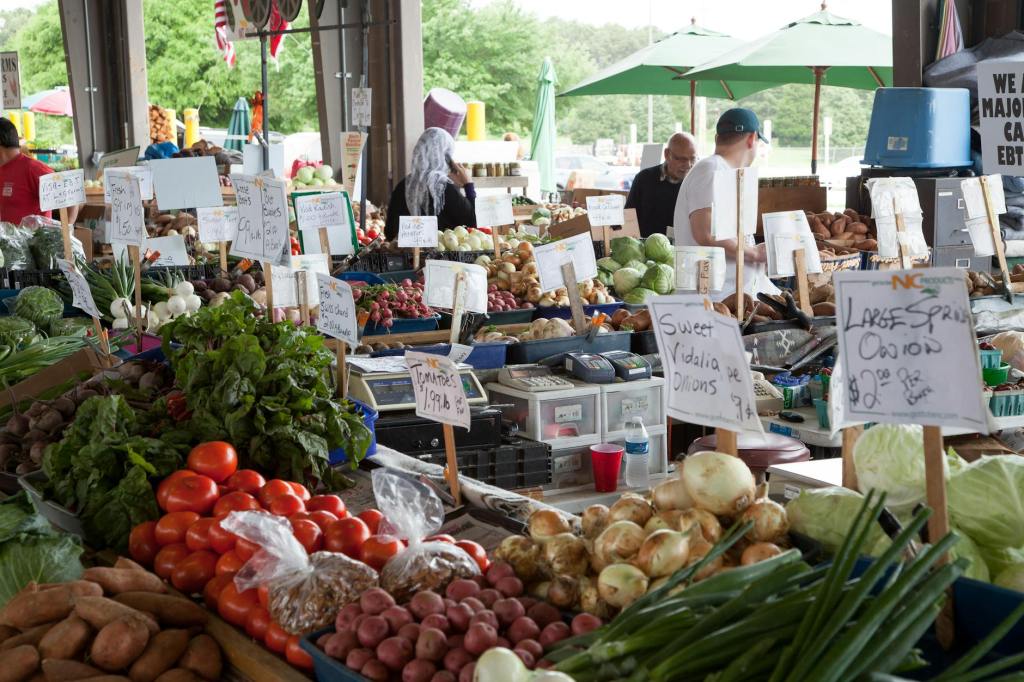
I remember the very first time I joined my local farmer’s market. I spent days baking, labeling and packaging. I was up till almost midnight trying to get everything perfect the night before. On the morning of the market, I thought I was going to get sick because I was so nervous. “What if people think I’m a joke? What if I don’t sell a single item? What if I did something wrong and the market won’t let me back? What if? What if? What if?” I believe I was driving my husband crazy with all my insecurities. That first day he carried enough confidence for the both of us, thank God! That really helped me get through it. But you know what? After it was over I was so proud of myself for going past my comfort zone and trying something new. Plus, it was easy to talk to people about something that I’m so passionate about. After that day, I became faster in my prep and more efficient in my packaging.
The first year I wasn’t bringing in a lot of income, partially due to the location of the market. I barely made made my money back from my investment. Let alone, make a profit. Plus no one knew who I was. Remember the first business name I had, mentioned above? Well, that wasn’t drawing them in either. My dreams of people lining up in front of my booth and selling out of product were destroyed. Even though i was frustrated and my feelings were hurt, I didn’t let that deter me. My husband also kept reminding me that these things take time and I will get there. And he was right. By the second year with a new location and a new found confidence, my business exploded! Also with a new catchy business name, people noticed me. They started buying and placing future orders!
You don’t have to do farmer’s markets or other events to succeed in this business. But it is one of the fastest and most efficient ways of getting your product out there. As I mentioned above about using social media as a visual tool, a market/event gets the product in their hands. It’s a great way for them to try your goods without costing the client a lot of money. Think of it as passing out samples that also generates a cash flow. Win-win!
7. Do I have to invest a lot of money into baking tools?

The answer is absolutely not! Back in the day, I was a cosmetologist for 26 years. Which meant, I was allowed to do both hair and nails. Outside of the tools provided to me in school, I started with nothing but the desire to succeed. I was also a single mother of three. Rushing out and buying all this fancy equipment wasn’t going to happen. Instead, I built up my supplies slowly by purchasing what I needed for the specific order I was making. That cut into my profit margin in the beginning. But I made up for it on future orders that required the same supplies. I started with a few different baking pans and grew into requiring a separate space in my house to store all my stuff!
Keeping yourself organized is essential to running a business efficiently. You certainly waste your precious time looking for the tools need for your order. I like these totes. They’re durable and stackable. Perfect for storing medium sized items. I then add these sticky chalk labels so I have a list of what’s inside. In my dinning room, I added extra storage units to keep my baking ingredients separated from my every day food. I wanted something stylish that went with my decor so they would blend in. I do have to look at it everyday so it might as well look pleasing, right?
Finding clearance sales at craft stores that also carry baking supplies is another good way to build. Go to garage sales, thrift stores and Facebook marketplace. I buy almost everything myself off of Amazon. They have a huge selection, great prices and wonderful customer service! Or, perhaps, family and friends will gift items in their kitchen that they don’t need anymore. Remember, it’s not the equipment that sells your product in the end. It’s your talent and marketing that does. Obviously, you don’t want to buy product that’s cheaply made, either. So when you invest, invest in products that will last for years. You certainly don’t want to keep reinvesting in all your supplies. That totally defeats the purpose. Doing it this way saves you start up money and keeps you from investing products that you not really need. Let your inventory grow as you grow.
8. Create a business plan
Writing up a business plan isn’t difficult at all. You’re not starting a multi-million dollar company. You’re just creating an outline of what you need to get started. You are also defining where you’d like it to be in the future. I’ve already given you a head start by outlining the basics above. You just need to decide if you want to only take custom orders. You could also do online sales (if your state permits it). Another option is to have a store front down the road. Having a goal helps you to stay on track and stay focused on the future. But be flexible. You never know where this business will take you. So keep those options open. I really didn’t even think about starting a blog to help others and look at me now. I love it!
To keep your plan simple, ask yourself the following questions:
- Who do I want my clientele to be?
- What do I want to sell and at what price?
- Chose items that you want to be your specialty (your niche). A few items at first so you don’t overwhelm yourself. I went gung-ho at first and nearly burnt myself out after the first year. You can always add items on or eliminate items as you grow.
- Do some research and get a general idea of start up costs. Like I mentioned above. Get what’s required. Get insurance and protect yourself. And buy the basic supplies at first to get you going.
- How will I market myself? Thank goodness we live in the age of technology. Social media really simplified this step! Post pics, videos often. Share to other groups in your community. Referrals from happy customers are another great way to grow your business. They may refer you simply by seeing one of your posts and haven’t ordered from you yet. Trust me, it happens!
- Check out what other bakeries/bakers are doing. What’s popular and what doesn’t sell? Find that gap. Now, when I say this, I don’t mean to give up what you want your niche to be and do what everyone else is doing. Find a way to make it fit. Or find a way to be more competitive if it’s all ready being done. For example, I specialize in decorated sugar cookies as well as cakes and cake products. I was lucky on the cookies because I couldn’t find anyone else who did them. Not with the same experience level that I have, at least. As far as cakes go, there was a lot of competition. So I really marketed my cake designs and skills to stand out.
The steps I listed above are your start up building blocks. In my next post, I will dive into how to price your products for profit. How to stay organized with invoices and inventory. And where you can sell your baked goods to help increase your profit margin. The best part of owning a cottage bakery whether it’s full or part time, is being your own boss! Also, the flexibility of being a business owner. Deciding for yourself what goods you want to offer and the hours you want to work.
I’d love it if you leave a comment below and let me know how I’m doing!




 Let's connect
Leave a comment